Medical & Pharmaceutical Photography: The Essential Shots Every Healthcare Brand Needs
How do you photograph a medical device so that it looks precise and innovative? How do you make pharmaceutical packaging visually interesting without compromising accuracy? And how do you create healthcare advertising that feels approachable while still communicating professionalism and trust?
These are interesting challenges, and they’re exactly the kinds of creative problems I enjoy solving.
I’m Monica Stevenson, a commercial and advertising photographer with nearly three decades of experience, much of it spent working with brands, advertising agencies, and creative teams in New York City. Today, my studio is based in Tryon, North Carolina, where I create commercial imagery for businesses throughout the Carolinas and beyond.
My work spans product photography, beauty and cosmetics, lifestyle imagery, advertising campaigns, and pharmaceutical and healthcare photography.
Although these industries have different requirements, many of the technical and creative principles overlap. Lighting reflective surfaces, revealing product details, creating carefully controlled environments, and communicating a brand’s personality are skills that translate across all kinds of commercial photography.
For medical, pharmaceutical, and healthcare companies, the challenge is knowing which images to prioritize.
Whether you’re launching a medical product, updating your website, or developing a pharmaceutical advertising campaign, here are the essential photographs I believe every healthcare brand should consider.
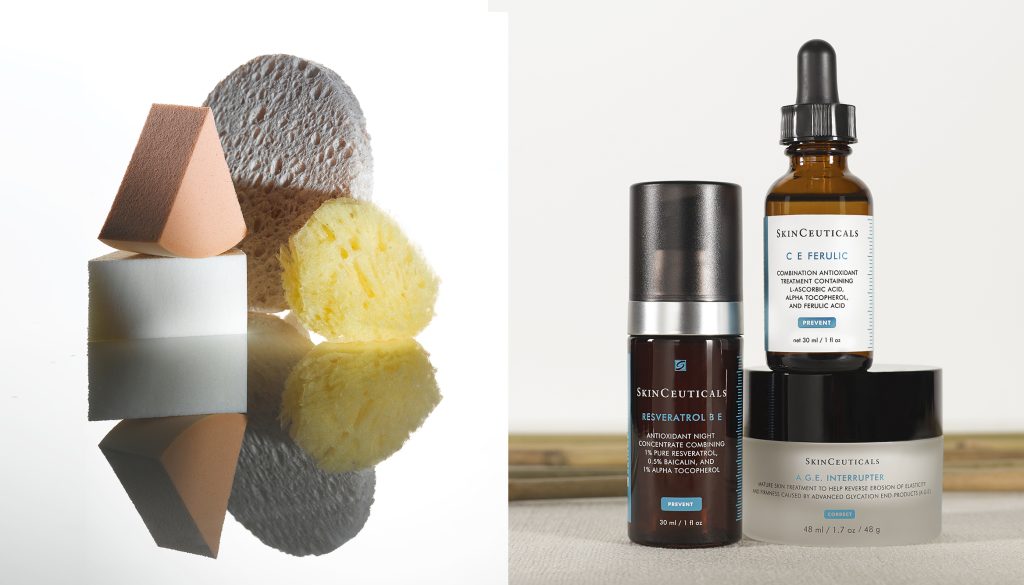
Medical & Pharmaceutical Product Photography: Clean, Accurate Product Images
Every healthcare company needs a strong foundation of professional product photography.
These are the images that appear on websites, product catalogs, brochures, sales presentations, digital advertisements, and other marketing materials.
For pharmaceutical companies, that might mean photographing medication packaging, bottles, containers, or healthcare products. For medical device manufacturers, it could involve instruments, diagnostic equipment, or specialized products that need to be presented clearly.
I recommend starting with three essential product views:
The hero shot: A clean, professionally lit photograph showing the entire product clearly.
The alternate angle: A second perspective revealing the product’s shape, structure, or important features.
The detail shot: A close-up highlighting materials, components, packaging details, or distinctive design elements.
These images may appear straightforward, but medical and pharmaceutical products can be surprisingly challenging to photograph.
Transparent plastics, glass, reflective metals, and glossy packaging all require careful lighting.
My experience photographing jewelry, cosmetics, luxury products, and other technically demanding subjects has given me years of practice working with these materials.
In my article on medical and pharmaceutical photography for healthcare brands, I explore how professional product imagery can communicate quality, innovation, and trust.
For healthcare companies, accurate product representation is especially important. Labels, packaging details, and product features need to be shown faithfully, and images should be reviewed against any applicable marketing or regulatory requirements.
The goal is to create photographs that are technically precise, visually appealing, and useful across multiple marketing channels.
Detail, Macro & Environmental Photography for Healthcare Products
Some products need more than a standard hero photograph to communicate what makes them different.
A medical device might have a specialized component worth highlighting. A pharmaceutical product might feature distinctive packaging or a delivery mechanism that needs to be shown clearly.
That’s where detail and macro photography become valuable.
Close-up photographs can reveal materials, textures, construction, and features that might be difficult to appreciate in a wider image.
For healthcare brands, these photographs can support product information pages, brochures, sales materials, and educational content.
My experience in jewelry and luxury product photography has taught me how much precision matters when photographing small details.
At close distances, controlling reflections, maintaining sharpness, and revealing the shape of an object can require specialized lighting and careful camera positioning.
But technical product images are only one part of the story.
Environmental product photography can provide additional context by placing a product within a carefully selected setting.
A healthcare product photographed in a clean, modern environment can communicate a different feeling from the same product against a plain studio background.
Similarly, wellness and dermatology products may benefit from natural materials, soft lighting, and settings that feel familiar to consumers.
This is where my work in beauty and cosmetics product photography becomes particularly relevant.
The same lighting and styling techniques used to photograph skincare packaging, glass bottles, and delicate textures can be adapted to medical skincare, wellness products, and pharmaceutical packaging.
For healthcare brands, I recommend combining clean product photographs with selected detail and environmental images. Together, they create a more versatile library for marketing and communication.
Healthcare Lifestyle Photography: Showing Products in Real-World Settings
Not every healthcare photograph should look like it belongs in a laboratory or product catalog.
Sometimes the most effective way to communicate a product’s purpose is to show the people and environments associated with it.
Lifestyle photography helps healthcare and pharmaceutical brands connect technical products with recognizable human experiences.
For example, a wellness brand might use images of people incorporating a product into their daily routines. A healthcare company might need environmental portraits, workplace imagery, or carefully staged scenes that support its marketing message.
These photographs can make a brand feel more approachable while giving audiences a clearer sense of context.
But authenticity matters.
Healthcare imagery should feel believable, and any depiction of product use or health-related outcomes needs to be accurate and consistent with approved messaging.
My experience in portrait, lifestyle, beauty, and commercial photography allows me to approach these assignments with an understanding of both the people and the products involved.
I enjoy working with models and creative teams to capture natural expressions, comfortable interactions, and environments that support the overall concept.
In my article about healthcare, beauty, and environmental lifestyle photography, I explore how thoughtful settings and human-centered imagery can help products feel more relevant to everyday life.
For pharmaceutical and medical companies, lifestyle photography can be particularly useful for websites, digital advertising, patient-facing materials, and brand campaigns.
It’s also an opportunity to move beyond traditional stock photography and create images that feel specific to the company.
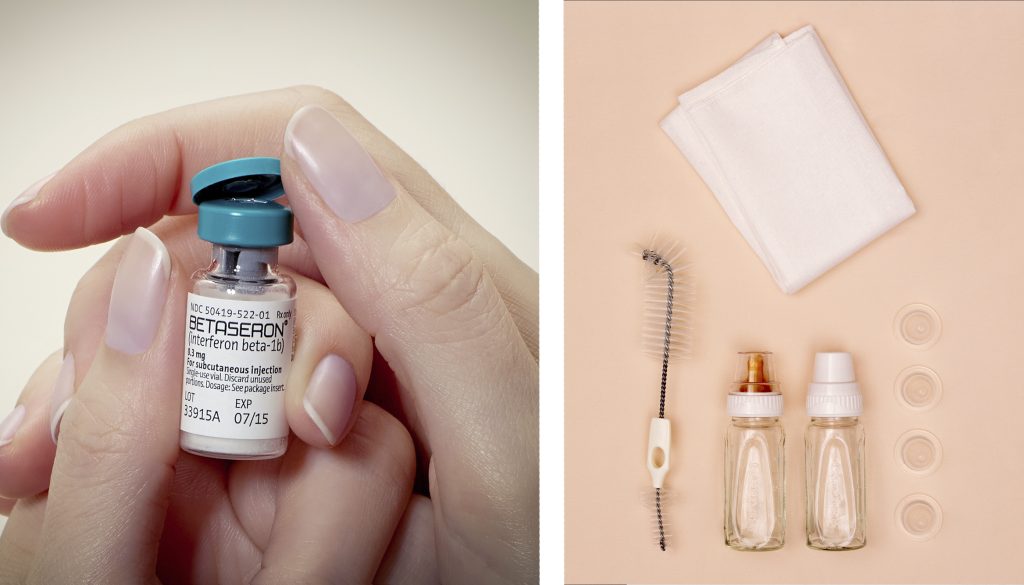
Pharmaceutical Advertising Campaign Photography, Social Media & Product Video
Once a healthcare company has established its essential product and lifestyle imagery, the next step is developing photographs that support larger advertising campaigns.
These images need to do more than document a product.
They need to communicate a message, attract attention, and work consistently across different marketing platforms.
For pharmaceutical and healthcare brands, that might involve a campaign hero image, a series of coordinated product photographs, environmental imagery, or creative compositions developed around a specific concept.
My experience working on commercial advertising campaigns for established brands has taught me the importance of understanding how each photograph contributes to a larger marketing strategy.
A single campaign might require different image formats for websites, print advertising, email marketing, presentations, and social media.
Planning those requirements before production helps create a more versatile collection of assets.
Digital marketing is particularly important for healthcare brands, although the creative approach must reflect the audience, product category, and applicable advertising rules.
Resources such as Pharma Marketing’s social media strategies for pharmaceutical brands and Econsultancy’s insights on pharmaceutical and healthcare social media explore the role of digital communication in the industry.
For companies developing broader marketing strategies, Informa Connect’s pharmaceutical marketing tips and Coegi’s healthcare and pharmaceutical digital marketing resources provide additional industry perspectives.
From a photography standpoint, the opportunity is to create visual assets that can be adapted across those channels without losing consistency.
Motion can also play an important role.
Product videos, stop-motion sequences, and carefully controlled movement can help reveal packaging details, introduce product features, or create engaging digital content.
My work across beauty, cosmetics, and commercial product photography has given me extensive experience with lighting, textures, liquids, and creative tabletop compositions.
As I discuss in my article on beauty and skincare product photography for brands, the most effective commercial imagery combines technical control with a clear understanding of the brand’s identity.
For healthcare advertising, that same principle applies, with the added importance of accurate claims, appropriate representations, and regulatory review.
Planning a Medical or Pharmaceutical Photoshoot: What Healthcare Companies Should Prioritize
If you’re planning a medical or pharmaceutical photography project, my advice is to begin with the images your company will use most frequently.
A well-planned photoshoot can create a versatile collection of assets for websites, sales materials, advertising, and future marketing campaigns.
Rather than producing unrelated photographs, I recommend developing a consistent visual direction that can work across multiple applications.
For most medical, pharmaceutical, and healthcare brands, I’d prioritize:
Clean product hero shots showing packaging, medical devices, or healthcare products clearly.
Alternate angles and detailed close-ups highlighting product features, materials, and design.
Environmental product photography placing products within appropriate, carefully styled settings.
Lifestyle and people-focused imagery creating context and a human connection.
Advertising campaign images and motion content for digital marketing, websites, and promotional materials.
Before the shoot, it’s helpful to establish where the images will appear, what information needs to be communicated, and whether any specific product features or approved claims require particular attention.
For regulated products, involving the appropriate internal review teams early in the creative process can help ensure the final imagery meets the company’s requirements.
My photography studio is based in Tryon, North Carolina, and I work with healthcare companies, pharmaceutical brands, medical product businesses, advertising agencies, and marketing teams throughout North Carolina and South Carolina, including Asheville, Charlotte, Greenville, and Spartanburg.
Clients can arrange to ship products to my studio for controlled commercial photography, and I also work on location for projects involving people, workplaces, and environmental imagery.
With nearly three decades of commercial photography experience, I bring technical lighting expertise, creative direction, and an understanding of how professional advertising images are developed.
My background in commercial beauty, cosmetics, and skincare photography is particularly valuable when working with healthcare products that require precise lighting, careful styling, and sophisticated product presentation.
Whether you’re launching a new medical device, developing a pharmaceutical campaign, or refreshing your healthcare company’s visual identity, the goal is to create photography that is useful, accurate, and memorable.
Great medical and pharmaceutical photography should communicate precision and professionalism while giving people a reason to look closer.
Have a healthcare, medical, or pharmaceutical photography project in mind?
Visit Monica Stevenson Photography to explore my healthcare photography work and get in touch about your next commercial photography project.