
Food Photography in 2026: How Styling and Lighting Shape the Perfect Shot
Food photography has always lived at the intersection of craft and appetite, but in 2026 the discipline is becoming more intentional, more refined, and more honest than ever before. As brands, restaurants, and consumers grow more visually literate, food imagery must do more than look good — it must feel real, desirable, and thoughtfully made.
In 2026, food photography is no longer about excess. Over-styled plates, artificial shine, and exaggerated perfection are giving way to imagery rooted in texture, mood, and authenticity. Styling and lighting now function as storytelling tools rather than decorative elements, working together to create images that feel crave-worthy without feeling contrived.
This evolution places greater responsibility — and creative opportunity — in the hands of food photographers who understand how to balance restraint with visual impact.

Food Photography Trends in 2026: A Shift Toward Intentionality
One of the defining food photography trends in 2026 is intentionality. Every element in the frame has a purpose. Styling is thoughtful rather than maximal, and lighting is precise rather than overpowering.
Brands and restaurants want food photography that reflects how their dishes are actually experienced. This means embracing natural imperfections, honest portions, and real environments. The goal is not to impress through spectacle, but to invite viewers into a believable moment.
For food photographers, this trend demands stronger collaboration with stylists, chefs, and brands — and a deeper understanding of how food behaves under light.
The Role of Food Styling in 2026
Food styling in 2026 is about restraint and realism. Stylists are focusing less on manipulation and more on enhancement — allowing ingredients to look like their best, most natural selves.
Textures matter more than polish. The softness of a dumpling, the flakiness of pastry, the sheen of sauce, or the char on grilled vegetables are all celebrated rather than concealed. Styling decisions are made to support the food’s identity, not override it.
Food styling now emphasizes:
• seasonality
• ingredient integrity
• subtle movement
• lived-in imperfection
In this environment, food photographers must work closely with stylists to ensure that lighting supports these goals. Harsh highlights or flat illumination can quickly undo the work of thoughtful styling.
Lighting in Food Photography: Defining Mood and Appetite
Lighting is the single most important factor in food photography in 2026. It determines not only how food looks, but how it feels.
Soft, directional light continues to dominate, especially when it mimics natural daylight. Side lighting is commonly used to reveal texture and depth, while backlighting adds dimension and glow — particularly effective for liquids, fresh produce, and glossy surfaces.
In studio food photography, artificial light is increasingly shaped to feel organic rather than theatrical. Diffusion, flags, and negative fill are used deliberately to create contrast without harshness.
Lighting in 2026 is less about brightness and more about control. Shadows are embraced rather than eliminated, adding realism and atmosphere to the image.
Editorial Food Photography: Story Over Surface
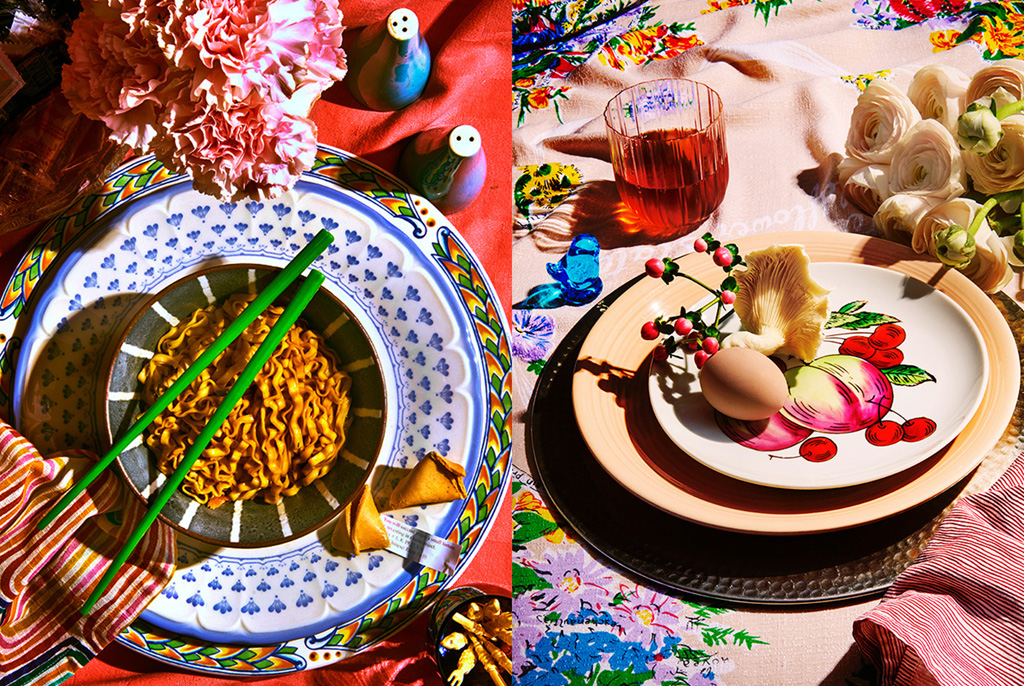
Editorial food photography plays a major role in shaping visual trends in 2026. Rather than isolating dishes on perfect surfaces, editorial-style imagery places food within a broader narrative.
This approach often includes:
• environmental context
• imperfect compositions
• human presence or implication
• layered scenes rather than single subjects
Editorial food photography allows brands and publications to tell richer stories. It moves beyond “what is this dish” and toward “where does this dish live.”
Lighting and styling in editorial food photography are intentionally understated. The goal is to support the story, not distract from it.
Product Photography for Food Brands in 2026
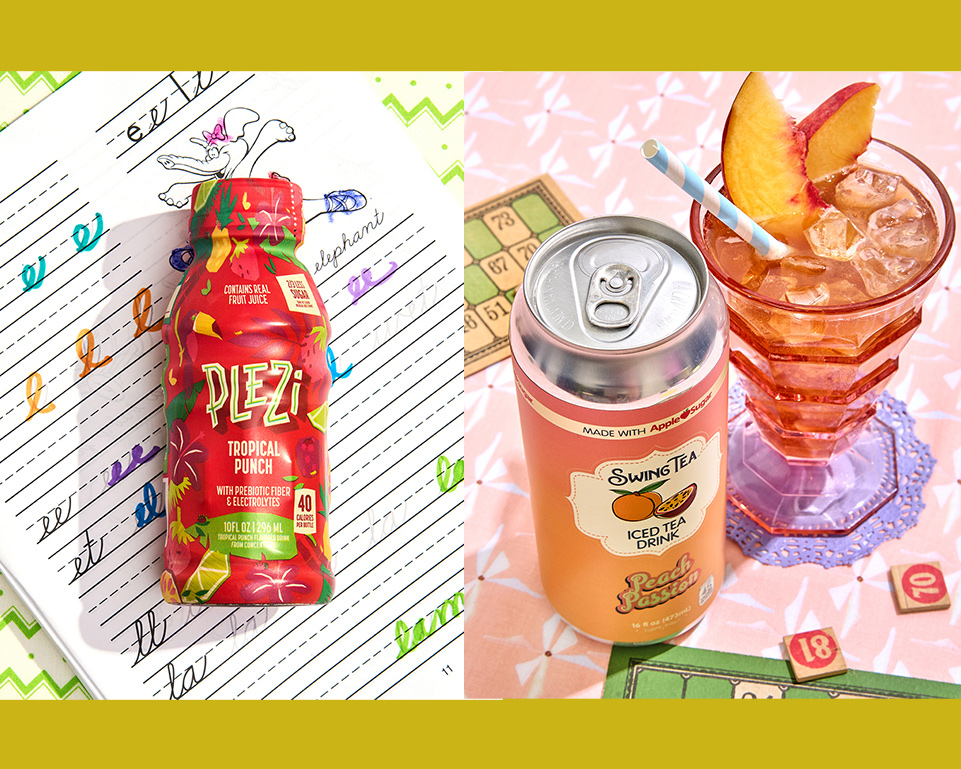
Food product photography in 2026 must walk a careful line between clarity and emotion. Consumers still expect clean, accurate representations of packaged food — but they also want images that feel warm, human, and appetizing.
Styling for food product photography focuses on context rather than excess. Simple ingredient callouts, subtle props, and thoughtful surfaces help ground the product in reality.
Lighting is used to emphasize packaging design, label readability, and food texture without introducing glare or distortion. Consistency across image sets is especially important, as products must live seamlessly across websites, e-commerce platforms, and social media.
Lifestyle Food Photography: Creating Belonging
Lifestyle food photography continues to grow in importance in 2026. Rather than focusing on the food alone, this style captures moments — meals shared, hands reaching, tables mid-conversation.
Styling in lifestyle food photography is intentionally loose. Food is plated naturally, sometimes partially eaten, sometimes imperfect. Lighting is designed to feel ambient and believable, often using available light with minimal intervention.
This approach works especially well for local restaurants, food brands, and hospitality businesses that want to communicate warmth and approachability. Lifestyle food photography helps audiences imagine themselves in the scene, which is often more powerful than a perfectly styled hero shot.
Menu Photography: Accuracy Meets Aesthetic
Menu photography in 2026 continues to prioritize accuracy, but with greater attention to mood and brand alignment. Restaurants want menu images that reflect the real dining experience while still feeling polished and intentional.
Styling focuses on consistency — portion size, garnish placement, and color balance must match what customers receive. Lighting is clean and flattering without exaggeration.
For food photographers, menu photography requires discipline and efficiency. Every dish must look cohesive within the larger menu while still retaining its individual appeal.
Cocktail and Beverage Photography: Movement and Light
Beverage photography in 2026 is increasingly dynamic. Liquids are poured, stirred, splashed, and layered to introduce motion and visual interest.
Styling plays a supporting role, focusing on glassware, garnish, and surface choice. Lighting is critical — reflections must be controlled, transparency preserved, and highlights placed intentionally.
Cocktail photography often leans into contrast and atmosphere, using shadow and color to suggest time of day, season, or mood. Beverage photography has become a space where food photographers can experiment creatively while still serving commercial needs.
Behind the Scenes: Collaboration on Set
Food photography in 2026 is deeply collaborative. Successful shoots rely on seamless communication between photographers, stylists, chefs, and producers.
Styling and lighting decisions are often adjusted in real time as food changes under heat, humidity, and time. Flexibility and experience allow photographers to adapt without losing the vision.
Behind-the-scenes processes are more transparent than ever, with many brands sharing BTS content as part of their marketing. This openness reinforces trust and highlights the craft behind the final image.
Why Styling and Lighting Matter More Than Ever
In 2026, consumers are visually savvy. They can spot artificiality instantly. Food photography that relies on shortcuts or visual tricks risks alienating audiences rather than attracting them.
Styling and lighting are no longer tools for illusion — they are tools for honesty. When used with intention, they elevate food without misrepresenting it.
For brands, investing in experienced food photographers who understand these nuances is essential. For photographers, mastering both styling collaboration and lighting control is the key to staying relevant.
The Future of Food Photography
Food photography in 2026 is grounded, expressive, and deeply human. Styling honors ingredients. Lighting reveals truth. Together, they create images that don’t just sell food — they tell stories.
As trends continue to evolve, the core principles remain unchanged: respect the food, understand the light, and let the image breathe. When those elements align, food photography becomes timeless.