
The Latest Developments in Interiors Photography: What Luxury Homes and Real Estate Professionals Need to Know
Interiors photography has evolved rapidly over the last few years, and those changes are only accelerating as we move deeper into 2026. What once focused primarily on documentation has become a powerful storytelling and branding tool — one that directly influences perception, desirability, and value.
For luxury homeowners, real estate agencies, realtors, interior designers, architects, and developers, understanding the latest developments in interiors photography is no longer optional. In a visually driven market, photography is often the first point of contact between a space and its future owner or occupant. The way a home or property is photographed can determine whether someone clicks, scrolls past, or schedules a showing.
This blog explores where interiors photography is headed, what’s changing, and why staying current matters for anyone working in high-end residential or commercial spaces.

Interiors Photography Has Shifted From Documentation to Experience
One of the biggest developments in interiors photography is the shift away from simple documentation. Today’s interiors photography is designed to create an emotional experience — not just show a room.
Luxury homes are no longer photographed solely to display square footage or layout. Instead, photography focuses on how a space feels to live in. Light, flow, materiality, and atmosphere are prioritized over wide, overly literal shots.
This evolution reflects how buyers and clients engage with property today. People want to imagine themselves in a space before they ever visit it. Interiors photography now serves as an invitation, not a checklist.
Architectural Photography and the Rise of Visual Restraint
Architectural photography has also matured. Clean lines, accurate verticals, and strong composition remain essential, but there is now greater emphasis on restraint.
Rather than dramatic distortion or exaggerated angles, contemporary architectural photography favors balance and honesty. Homes and buildings are photographed in ways that feel grounded and believable, especially in the luxury market where trust is critical.
This approach benefits architects, builders, and developers who want their work represented with integrity. Thoughtful architectural photography communicates craftsmanship and confidence rather than spectacle.
Luxury Real Estate Photography Is Becoming Brand-Driven
Luxury real estate photography has evolved beyond simply selling a property. For many agencies and realtors, photography is now part of a broader brand identity.
High-end listings must align visually with the agency’s aesthetic, tone, and target market. Consistency across listings builds recognition and credibility, especially for luxury real estate professionals working with discerning clients.
Modern real estate photography prioritizes:
• cohesive color grading
• natural light balance
• realistic scale
• editorial-inspired composition
Luxury homes benefit from photography that feels timeless rather than trendy — images that hold value beyond a single listing cycle.
The Influence of Interior Design Photography on Real Estate
Interior design photography has strongly influenced how interiors are photographed for real estate. Designers have long focused on detail, texture, and material relationships — and those principles are now shaping real estate imagery as well.
Rather than photographing empty or overly staged spaces, interiors photography increasingly highlights craftsmanship: millwork, stone, textiles, finishes, and architectural details.
For luxury homes, this approach helps communicate value beyond size or location. It shows buyers what makes the space special — and why it stands apart from others on the market.
Natural Light and Controlled Lighting Techniques
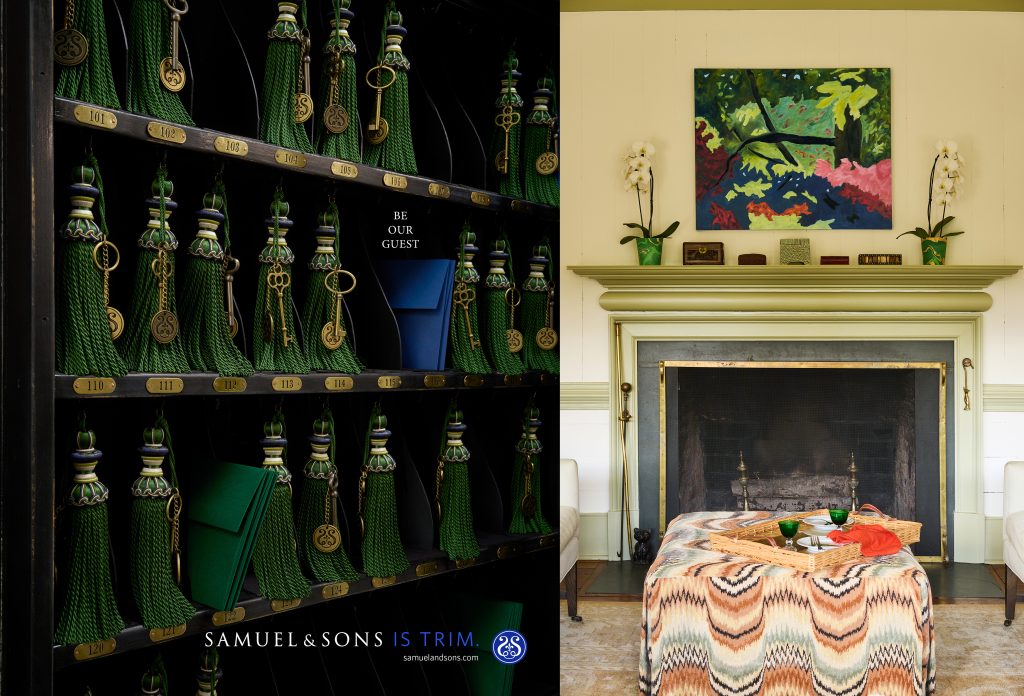
Lighting remains one of the most critical developments in interiors photography. In 2026, there is a strong preference for light that feels natural, even when it’s carefully controlled.
Photographers are blending ambient light, window light, and subtle artificial light to create images that feel balanced and lived-in. Overly bright or flat interiors photography is being replaced by images with depth, shadow, and nuance.
This shift matters greatly for luxury homes, where light quality is often a selling feature in itself. Well-executed lighting reveals volume, texture, and mood without misrepresenting the space.
Editorial Influence on Interiors Photography
Editorial photography continues to shape interiors photography trends. Inspired by design magazines and architectural publications, interiors imagery now often feels quieter and more intentional.
Editorial-style interiors photography favors:
• layered compositions
• imperfect but intentional styling
• moments of stillness
• subtle human presence or suggestion
This approach works especially well for luxury homes and high-end real estate, where the goal is to evoke lifestyle rather than simply display rooms.
Why Realtors and Agencies Must Stay Visually Current
Real estate agencies and realtors who fail to adapt to modern interiors photography risk appearing outdated. In competitive markets, especially in luxury segments, outdated photography can diminish perceived value almost instantly.
Buyers today compare listings visually before reading descriptions. If photography doesn’t meet contemporary expectations, even exceptional properties can be overlooked.
Staying current doesn’t mean chasing trends — it means understanding how visual standards have shifted and working with photographers who know how to balance accuracy with storytelling.
The Role of the Photographer as a Creative Partner
Another key development in interiors photography is the evolving role of the photographer. Today’s interiors photographer is not just a technician — they are a creative partner.
Photographers now collaborate closely with:
• homeowners
• realtors
• interior designers
• architects
• developers
They help make decisions about timing, light, angles, and styling to ensure the space is represented at its best. This collaborative approach leads to stronger, more intentional imagery and fewer compromises.
Real Estate Photography Beyond Listings
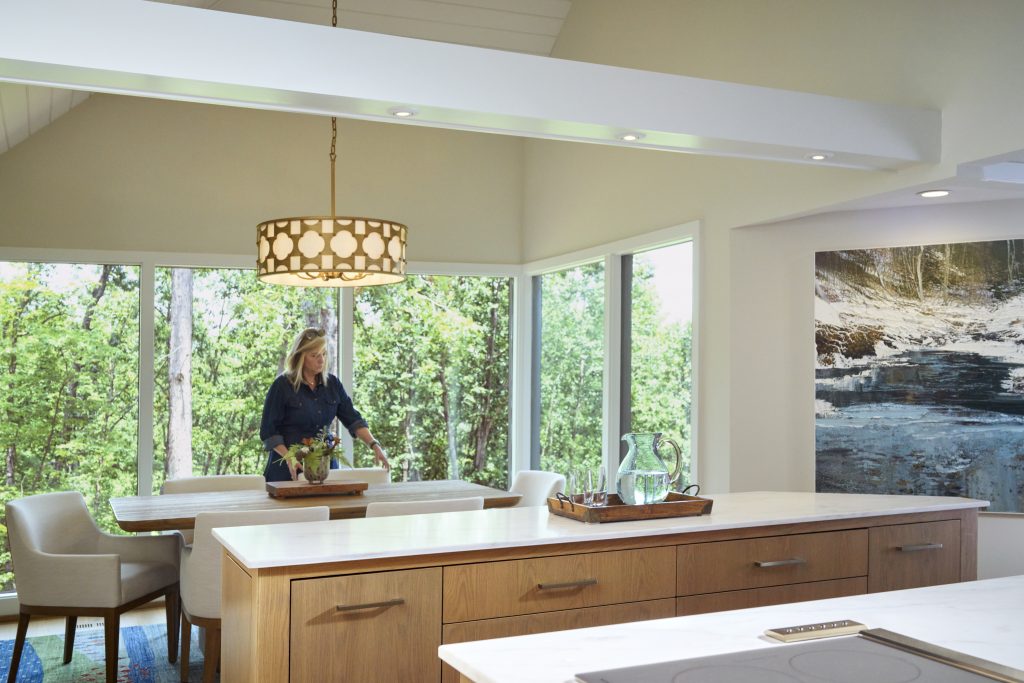
Interiors photography is increasingly used beyond active listings. Luxury real estate professionals are investing in photography for branding, marketing materials, social media, and long-term portfolios.
This shift reinforces the importance of consistency and quality. Photography is no longer disposable — it becomes part of a realtor or agency’s visual legacy.
For luxury homeowners, this also means their property can be documented in a way that holds lasting value, whether for resale, publication, or personal archives.
Why These Developments Matter for the Luxury Market
Luxury buyers are discerning. They notice nuance, balance, and authenticity. Interiors photography that feels rushed, over-edited, or disconnected from the space can erode trust.
The latest developments in interiors photography reflect a broader cultural shift toward intentional living, thoughtful design, and visual honesty. Photography that aligns with these values resonates more deeply and performs better across platforms.
For luxury homes, real estate agencies, and realtors, investing in current, well-executed interiors photography is not about aesthetics alone — it’s about positioning, credibility, and long-term success.
Looking Ahead: The Future of Interiors Photography
As interiors photography continues to evolve, one thing remains clear: quality and intention will always matter. Technology will change, platforms will shift, but the fundamentals of light, composition, and storytelling endure.
The future belongs to those who understand that interiors photography is not just about showing space — it’s about shaping perception.
For anyone working in luxury homes or real estate, staying informed and working with experienced photographers is one of the most valuable investments you can make.