
Tabletop Product Photography for Brands
If you are a brand looking to make your products stand out online, in ads, or across your marketing channels, you’ve probably come across the term tabletop photography. And if you haven’t yet, it’s something you should absolutely understand.
Tabletop product photography is one of the most effective ways to create dynamic, high-impact imagery using controlled, intentional mini sets. It allows products to feel larger than life, visually engaging, and highly crafted — without requiring massive locations or complex environments.
For businesses searching for tabletop product photography for brands, this style offers a powerful combination of creativity, precision, and versatility. It is especially valuable for products that need to feel elevated, tactile, and visually compelling across multiple platforms.
And this is exactly where Monica Stevenson’s experience shines.

What Is Tabletop Product Photography?
Tabletop photography is essentially the art of building and photographing small-scale environments designed specifically around a product.
Instead of placing a product on a plain background, tabletop photography creates a controlled “world” around it — using surfaces, props, lighting, color, texture, and composition to tell a story.
These mini sets can be:
- clean and minimal
- bold and graphic
- highly textured
- colorful and expressive
- lifestyle-inspired
- abstract and conceptual
The key is that everything is built intentionally within a controlled studio environment, allowing for complete creative and technical control.
Why Tabletop Photography Creates More Dynamic Product Images
Instead of a product just being “shown,” it becomes part of a scene.
That scene can communicate:
- mood
- use case
- brand personality
- texture and material
- scale and dimension
- movement or energy
- emotional tone
For example:
- A skincare product can feel fresh, clean, and luminous
- A beverage can feel energetic, refreshing, or indulgent
- A piece of jewelry can feel sculptural and luxurious
- A food product can feel vibrant and crave-worthy
This is what makes tabletop photography such a powerful tool for brands.
The Power of Mini Sets in Commercial Product Photography
Mini sets are where the magic happens.
- backgrounds
- surfaces
- props
- color palettes
- reflections
- shadows
- highlights
- spacing
- composition
Because everything is controlled, the photographer can fine-tune every detail.
This level of precision allows for:
- perfect lighting placement
- consistent branding across multiple images
- repeatable setups for future shoots
- efficient content creation
- high-end visual polish
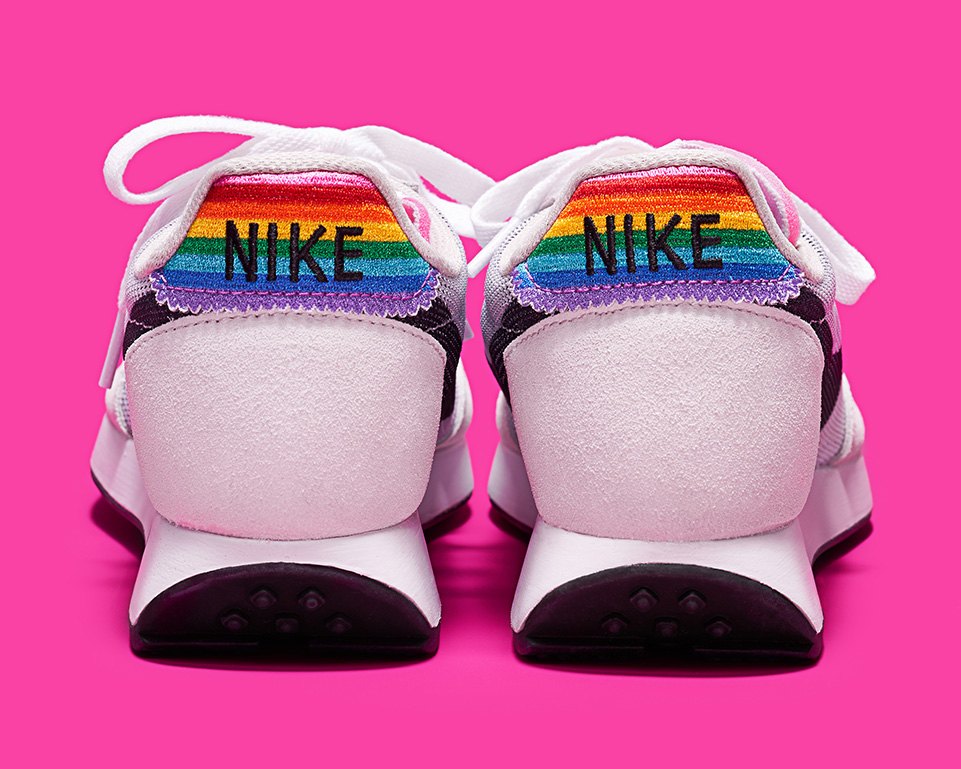
Why Brands Use Tabletop Product Photography
For businesses looking for tabletop product photography for brands, the main goal is simple:
Create images that stand out and sell.
Tabletop photography is especially effective for:
- e-commerce product imagery
- advertising campaigns
- social media content
- website hero images
- email marketing visuals
- seasonal promotions
- product launches
- catalog photography
- print campaigns
What Types of Products Work Best for Tabletop Photography?
Tabletop photography is ideal for products that benefit from controlled lighting, detail, and creative presentation.
This includes:
- beauty and skincare products
- cosmetics and fragrance
- jewelry and accessories
- food and beverage products
- packaged goods
- wellness products
- small consumer goods
- boutique retail items
These types of products often rely heavily on visual appeal, texture, and detail — all of which tabletop photography is designed to enhance.
Why Lighting Is Everything in Tabletop Photography
Lighting is the foundation of tabletop product photography.
Because the sets are small and controlled, lighting can be shaped with incredible precision. This allows the photographer to:
- highlight texture
- control reflections
- create depth
- emphasize form
- guide the viewer’s eye
- create mood and atmosphere
This is where experience makes a major difference.
Monica’s decades of lighting expertise allow her to manipulate light in ways that bring products to life — making them feel dimensional, tactile, and visually striking.
Tabletop Photography vs Simple Product Photography
A common question brands have is whether they really need tabletop photography or if simple product shots are enough.
The answer depends on your goals.
Simple Product Photography:
- clean
- functional
- minimal
- great for e-commerce basics
Tabletop Product Photography:
- expressive
- brand-driven
- visually engaging
- ideal for marketing, ads, and storytelling
Most brands benefit from having both.
Tabletop photography helps elevate the brand and create interest, while simpler product images support clarity and conversion.
Why Tabletop Photography Works So Well for Marketing
In today’s visual-first world, attention is everything.
Tabletop photography is designed to:
- stop the scroll
- create visual interest
- communicate brand identity quickly
- make products feel more premium
- differentiate your brand from competitors
This is especially important in:
- social media feeds
- digital ads
- website banners
- email campaigns
When done well, tabletop imagery makes your brand feel intentional and elevated — even if the product itself is simple.
Why Monica Stevenson Is a Strong Fit for Tabletop Product Photography
Tabletop photography requires a specific combination of skills:
- lighting expertise
- styling awareness
- composition control
- patience and precision
- creative vision
- technical execution
Monica Stevenson brings all of these together.
With decades of experience in commercial product photography, beauty, food, and still life, she understands how to build mini environments that feel polished, dynamic, and brand-aligned.
Her studio in Tryon, North Carolina allows for:
- fully controlled shooting conditions
- flexible set building
- multiple looks in one session
- consistent high-end results
- easy collaboration for local brands
This gives businesses in North Carolina and South Carolina access to premium tabletop product photography without needing to outsource to larger markets.